Things to Do in Botswana
Elephants outnumber people, sunsets smell of sage, and the silence costs nothing. Pure stillness. No price tag. Just space.
Top Things to Do in Botswana
Find activities and tours you'll actually want to do. Book through our partners -- no booking fees.


Plan Your Trip
Essential guides for timing and budgeting
Climate Guide
Best times to visit based on weather and events
View guide →Day Trips
The best excursions and nearby destinations worth the journey
Explore day trips →Where to Stay
Best neighbourhoods, hotel picks, and booking tips
Find hotels →Travel Insurance
What's required, what coverage matters, and how to get a quote
Read guide →What to Pack
Climate-specific gear, essentials, and what to leave at home
See packing list →When Should You Visit Botswana?
Tap a month for weather, crowds, and highlights
View full year-round climate guide →Explore Botswana
Central Kalahari Game Reserve
City

Chobe National Park
City
Francistown
City
Gaborone
City
Gweta
City
Kalahari Desert
City
Kasane
City
Kgalagadi Transfrontier Park
City

Makgadikgadi Pans
City
Maun
City
Moremi Game Reserve
City
Nxai Pan National Park
City
Okavango Delta
City
Savuti
City
Tsodilo Hills
City
Your Guide to Botswana
About Botswana
Botswana greets you with red dust that powders your camera lens and the low rumble of elephants drinking from the Chobe River at sunset. This is the only country where you can track wild dogs in the Okavango Delta at dawn, watch San hunters read spoor like text on the Kalahari's white pans, and still be back in Maun for craft beer at the Old Bridge Backpackers by sundown.
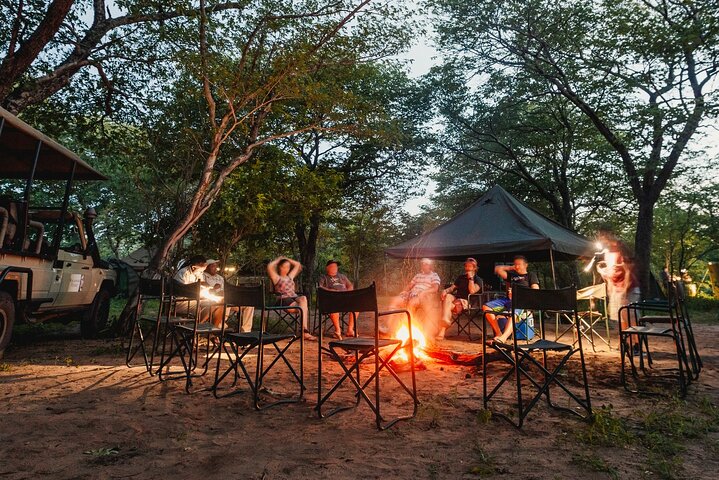
The safari camps around Moremi Game Reserve charge upwards of 3,500 pula ($260) per night, but the real magic happens on the public campsites along the Khwai River where 150 pula ($11) gets you nothing but stars and the sound of hippos grazing outside your tent. The trade-off is the road network. Tar stops 30km outside Maun and the rest is bone-jarring sand that'll shake fillings loose in a rental sedan.
Locals measure distance in beers (a six-pack to Gweta, twelve to Kasane), and the best meal you'll eat comes from a braai stand in Francistown where beef wors costs 25 pula ($1.85) and comes with enough pap to fuel a morning walking safari. Botswana doesn't do half-measures. It's either the most expensive safari destination in Africa or the cheapest adventure you'll ever have, depending entirely on whether you choose the lodge deck or the riverbank.
Travel Tips
Transportation: The Intercape bus from Gaborone to Maun runs overnight for 350 pula ($26) and saves a day's drive through elephant corridors. In the delta itself, shared speedboats from Maun to Seronga cost 180 pula ($13) per person and beat the charter flights by two hours. Download the Tracks4Africa app. It's the only GPS that shows actual sand tracks versus the misleading black lines on Google Maps. Rental 4x4s start at 1,200 pula ($89) daily but check the spare tire. Punctures are inevitable on the salt pans and nobody stocks 16-inch tires in Shakawe.
Money: Botswana runs on pula, with ATMs scarce outside Gaborone, Maun, and Kasane. Withdraw 2,000 pula ($148) before leaving Gaborone. It's enough for two weeks of camping groceries and fuel. Campsites only take cash. But most lodges now accept cards with a 3% surcharge. The street money-changers at the Kazungula border offer better rates than banks for converting kwacha to pula. But count the notes twice. The 100 pula bills feel identical to 10s after a long bus ride.
Cultural Respect: When visiting San communities around Ghanzi, bring 200 pula ($15) for the village fee and ask before photographing. Some elders believe cameras steal souls. The herero women in their horned headdresses aren't photo opportunities. Offer to buy handmade baskets instead. At mealtimes, wait for the host to say 'pula' (rain) before eating. It's both blessing and prayer in a country where rain means survival. If invited to a traditional wedding, the appropriate gift is two goats or 400 pula ($30), not wine.
Food Safety: Street vetkoek (fried bread) from the vendors outside Gaborone's Main Mall costs 5 pula ($0.37) and is fried fresh in oil hot enough to kill anything. Skip the salads at campsites. Lettuce travels 500km from South Africa and wilts in the heat. The braai meat at Chobe Safari Lodge's riverside bar runs 80 pula ($6) for a mixed grill and comes with the best view in Kasane. In Maun, the Spar supermarket stocks everything but ice lasts exactly 20 minutes in October's 38°C (100°F) heat. Buy frozen water bottles instead.
When to Visit
May through September is Botswana's dry season magic. Days hover at 26°C (79°F), nights drop to 6°C (43°F), and the Okavango floods peak in June when 11 cubic kilometers of water transform the Kalahari into a water wonderland. This is peak safari time. Elephants concentrate along the Chobe waterfront, and game viewing in Moremi feels like cheating.
The catch? Everything triples in price. Lodge rates jump from 1,800 pula ($133) to 4,500 pula ($333) nightly, and charter flights from Maun to camps book six months ahead. October brings 40°C (104°F) 40°C (104°F) heat and dramatic wildlife scenes as animals crowd shrinking waterholes, but it's the only month you can walk the Makgadikgadi salt pans without sinking.
The pans turn to glass in May, good for quad biking adventures at 800 pula ($59) per day. December's onset of rains drops temperatures to 32°C (90°F) and prices by 50%, but afternoon thunderstorms turn delta roads to chocolate pudding. The zebra migration through Savuti happens December-March, witnessed by almost nobody except the 30 pula ($2.20) per night campers at Linyanti.
April's shoulder season offers the sweet spot. 30°C (86°F) days, 800 pula ($59) per night lodges, and the landscape just starting to green after first rains.
More Ways to Experience Botswana
Tours, day trips, and local experiences curated by on-the-ground operators.
Didn't see anything interesting yet?
Browse Viator's full catalog of tours, day trips, food experiences, and private guides in Botswana.
See All Botswana Tours on Viator