
What to Pack for Botswana
Complete packing checklist tailored to Botswana's climate and culture
Climate Overview for Botswana
Botswana's temperate climate brings distinct seasonal shifts that dictate packing. The dry winter months from May to September offer cool mornings where you'll feel the crisp air and see frost on the grass, followed by sunny, warm afternoons. Summer rains from October to April bring humidity you can feel on your skin, sudden thunderstorms rumbling across the savanna, and lush green landscapes you'll see from your vehicle. This variation means layering is essential. You need gear for chilly dawn game drives under blankets and hot afternoons under a relentless sun. Pack for temperature swings and potential downpours.
Clothing & Footwear

For walking on the sandy paths of the Okavango Delta and the dusty tracks of the Kalahari, supportive shoes are key. You'll feel the uneven terrain underfoot during nature walks.

The humid summer air in Botswana or sweat from long game drives makes quick-dry fabrics necessary. You'll appreciate the comfort after a day feeling the sun's heat.
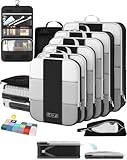
Small charter flights within Botswana have strict weight limits. These cubes help you organize a complete wardrobe into a single soft bag you can squeeze into tight aircraft holds.

Use this for carrying a sweater, sunscreen, and binoculars on game drives in Botswana. It packs away when not needed, saving space in your main luggage.
Electronics & Gadgets

Botswana uses Type D, M, and G plugs. Lodges often have limited outlets. This adapter with multiple ports lets you charge a camera and phone simultaneously after a long day capturing sights in Botswana.

Full-day game drives in Botswana offer no charging points. This bank keeps your phone alive to record the roar of a lion or the call of a fish eagle you'll hear across the delta.

Dust and constant plugging in Botswana's conditions can wear out cables. Durable spares ensure your devices stay powered for navigation and photos.
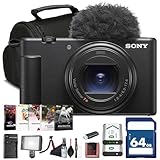
To capture the precise golden light on an acacia tree or the detailed pattern on a leopard's coat in Botswana, a quality zoom is better than a phone.
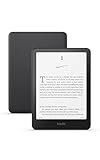
Long afternoons resting at your lodge in Botswana, with the smell of rain on dry earth in the air, are good for reading without screen glare.

Remote camps in Botswana can have unstable power. This strip protects your gear from surges and expands a single outlet to charge all your devices overnight.
Toiletries & Health

A clear, organized bag speeds security checks for regional flights within Botswana. It also contains spills from bottles jostled on bumpy transfers.

For minor cuts from thorn bushes or headaches from the bright Botswana sun, a basic kit is important when the nearest pharmacy could be hours away.

These eliminate liquid limits and won't explode in luggage during flights to Botswana. They work well with the often mineral-rich water at safari camps.

With busy safari schedules in Botswana, a labeled organizer ensures you never miss essential medication, even on predawn departures.
Documents & Security

Keeps your passport, Botswana entry visa, and yellow fever certificate organized and protected from dust and digital theft in busy airport queues.

Worn under a shirt or bush jacket, this secures cash for tips at lodges and larger bills for incidental purchases in towns in Botswana.

Use these on your main bag during international flights to Botswana and on your duffel during internal shared charter transfers.
Comfort & Convenience
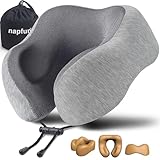
Essential for long flights to Botswana and for resting your head during siesta time back at camp, lulled by the sound of doves.

Lodges in Botswana often use minimal lighting, but a sleep mask ensures complete darkness for rest after early wake-up calls.
Fill it with filtered water from your lodge in Botswana. It collapses when empty, saving space in your daypack during activities.
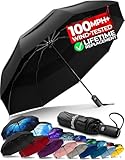
Sudden, intense downpours occur in Botswana's summer. This provides instant shelter during a walk from your tent to the main lodge.

Useful for carrying souvenirs from a market in Maun or separating wet swimwear after a mokoro trip in the Okavango Delta.
Outdoor & Hiking Gear
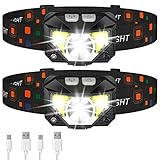
For navigating dark pathways between your tent and the main lodge in Botswana without disturbing wildlife with a bright flashlight beam.

A backup for multi-day walking safaris in remote parts of Botswana, allowing you to safely drink from natural sources you'll encounter.
Seasonal Packing Adjustments
What to add or skip depending on when you visit
Dry Winter
May, June, July, August, September
Add: Warm fleece jacket, Beanie and gloves, Lip balm
Shop Dry Winter essentials →Skip: Rain jacket
Mornings on game drives in Botswana are cold. Layer a warm jacket over a sweater. Afternoons are warm and sunny.
Wet Summer
October, November, December, January, February, March, April
Add: Lightweight rain jacket, Insect repellent, Quick-dry clothing
Shop Wet Summer essentials →Skip: Heavy winter layers
Expect high humidity and short, heavy rainfall. Mosquitoes are prevalent. Use repellent at dawn and dusk.
Luggage Recommendation
Use a soft-sided duffel bag or backpack, ideally under 15kg and without rigid frames. Small aircraft servicing camps in Botswana have strict weight limits and small cargo holds. Soft bags are easier to load.
Shop Carry-On Luggage on AmazonPro Packing Tips
Practical advice from experienced travelers
Don't Pack
- Heavy hard-sided suitcase
- Excessive formal wear
- Large bottles of shampoo
- Expensive jewelry
- A hairdryer
Buy Locally
- A local SIM card from Mascom or BTC stores in Gaborone or Maun airports for better coverage
- Traditional crafts like baskets at the Gaborone Craft Centre or from vendors in Kasane
- Bottled water, which is widely available at lodges and supermarkets
- Safari-appropriate hats and sundries from shops in Maun before heading into the delta
Packing Hacks
- Roll clothes instead of folding to save space
- Pack shoes in shower caps to protect clothes
- Use packing cubes to stay organized
- Keep essentials in your carry-on
Continue Planning Your Trip
More guides to help you prepare
Ready to plan your trip to Botswana?
Now that you've got the research covered, here's where to go next.